
Many of the challenges facing pro-democracy organizing today are not just disagreements over facts, policies, or values—they are fissures between different ways of understanding how the world works, who belongs, what matters, and what change is possible. This is a narrative challenge.
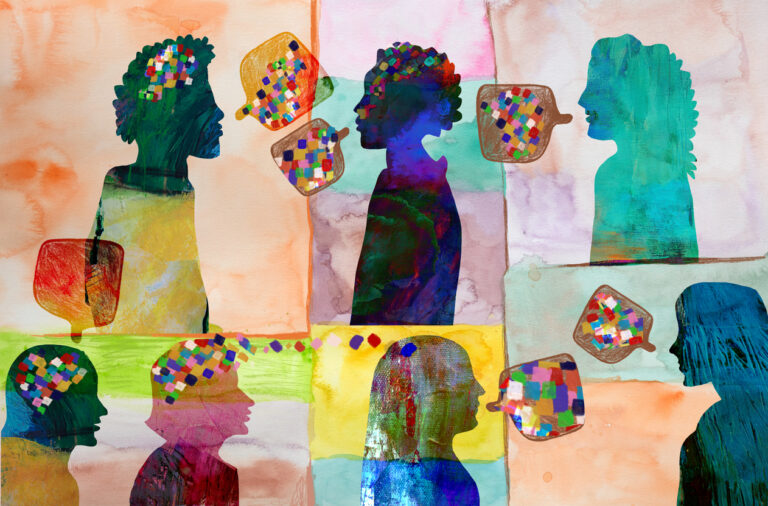
People can look at the same event, the same information, or the same problem and come away with very different understandings of what is happening, what matters, and what should be done.
Narrative engagement allows us to surface these different ways of understanding—not to persuade one another but to better understand one another. Engaging with narratives can help us find common cause with potential allies whose priorities, approaches, and narratives differ from our own.
The Narrative Engagement Across Difference (NEAD) initiative was designed by a consortium of organizers, academics, and philanthropists to take a deep look at narrative practices from a multidisciplinary lens and to reflect on how we can better unlock more effective collective action within diverse, broad-based movements.

Why Narratives Matter
Narratives shape how people interpret the world around them and understand concepts like identity, responsibility, belonging, conflict, and social change. They shape what we notice, what we ignore, what we trust, and what we believe is worth pursuing.
Because narratives operate beneath surface awareness, they can become difficult to recognize. Over time, a narrative can become so familiar that it stops feeling like a story and begins to feel like reality itself. Strategies that fit the dominant narrative appear practical and obvious, while strategies that do not fit—no matter how beneficial they might be—may seem unrealistic, naïve, or even threatening.

This matters because pro-democracy organizing depends upon people’s capacity to act. When dominant narratives obscure possibilities for action, collaboration, or change, people’s sense of individual and collective agency can narrow. They may struggle to imagine alternatives or to find language for experiences that fall outside the dominant story. This is why narrative engagement matters.

Related Resources


And check out this Narrative Weaving Across Difference Guide from our partners at the African Coaching Network.
BOLD: Organizing for Lasting Democracy
Want to dig deeper into narrative engagement and other core concepts for democracy organizing?
The Narrative Engagement Across Difference (NEAD) Project was a four-year action learning initiative curated by the Horizons Project with support from the Fund for Global Human Rights.
